

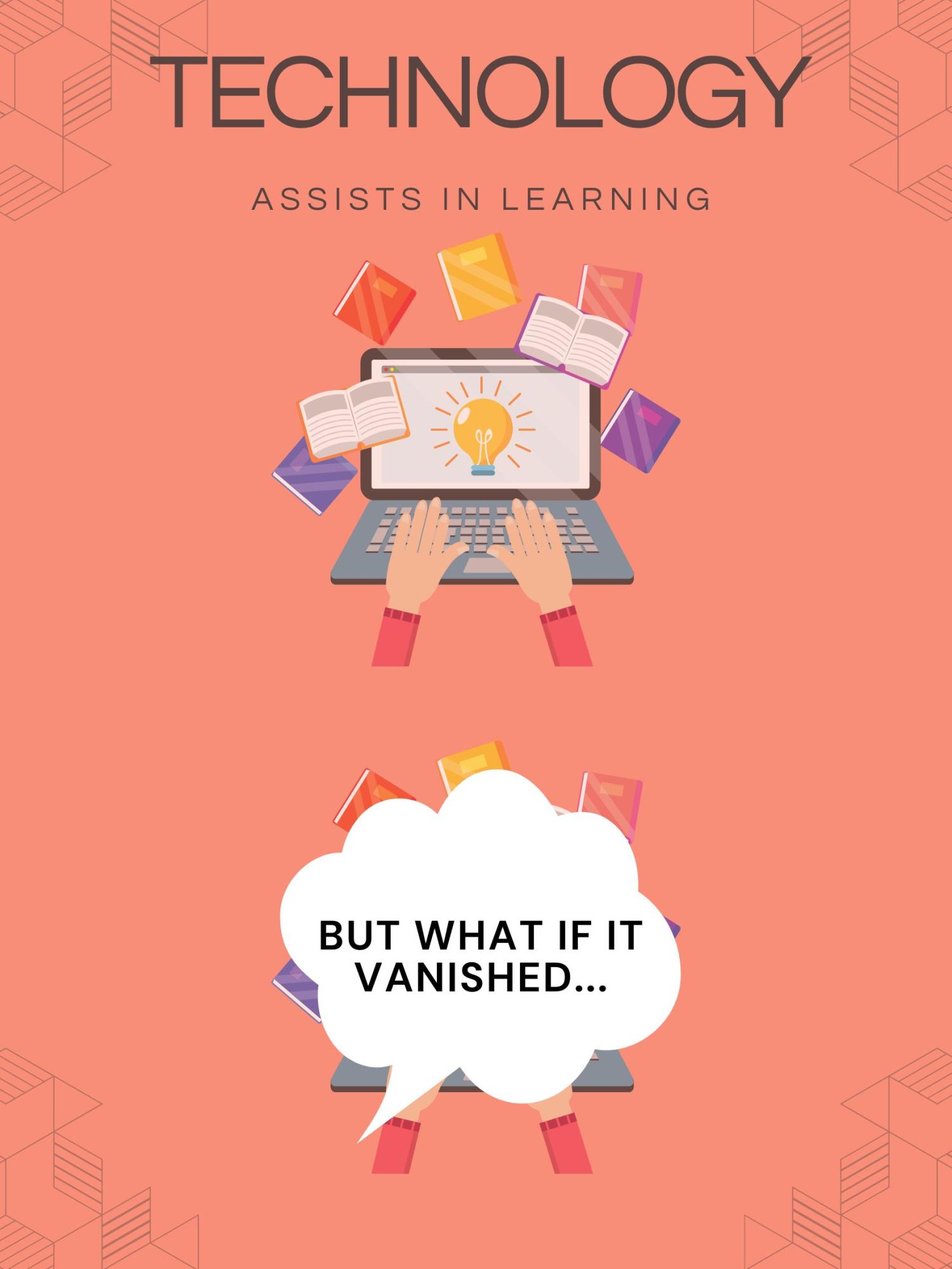
‘Well, back in my day,’ we used laptops with all the software possible to create presentations, essays, and do our math homework. But what about the old-school life, with paper and pencil, and doing everything by hand with no technology?
The state of Wyoming is trying to pass a bill that will limit funding to schools and potentially devastate Wyoming’s schools, sending students backwards into the paper-and-pencil age.
“The biggest change, as I understand, will be that school districts will not be able to choose how they spend the money they receive from the state,” Principal Timothy Wormald said. “The bill that is in the Senate, if passed, would categorize the funding.”
If the legislation passes, this means that the state decides what the money is spent on. Schools currently have a block grant, which provides funding based on enrollment, school size, and location, and, most importantly, local decision-making.
“A block grant provides the flexibility to allocate resources where they are needed most,” Superintendent Jay Curtis said. “It keeps decision-making close to students, preserves local control, and allows districts to adapt quickly as needs change.”
Categorizing the funding will not only limit funding needed to support students and their needs, but also limit funding elsewhere. This includes extracurricular activities that many students are involved in.
“One of the most significant ways students might feel the bill if it passes is in terms of loss of opportunity to participate in activities,” Wormald said. “If we have to make big cuts to activities, our students will miss out on opportunities. I think that will be hard on them.”
With the possibility of losing the block grant and categorizing funding, opportunity will be lost. Class sizes would increase, and technology might just disappear, leaving everyone to wonder what are we going to do now?
“Obviously, students could still learn at high levels,” Superintendent Curtis said. “But our education system is supposed to provide a ‘high-quality education that is appropriate for the times.’ I do not feel that going back to paper and pencil accomplishes that.”
With the bill shifting back and forth in the House and Senate, going back in time might delay learning with technology for the future, like college readiness. But the education recalibration is not only going to affect K-12, but it could also potentially affect colleges, too.
According to Wyoming News, the University of Wyoming “is facing a potential funding cut of approximately $40 million, over 8% of its total request, as part of efforts to rebalance the budget during the 2026 session.”
With the loss of funding, technology might not be used as often as it is now. We use so much of it every day, but in other ways, it could help with technology interfering with student work.
“There’s a lot of good that could come from going back to the old way,” Mr. Wormald said. “However, very few things in life anymore are done without computers, and I think we have an obligation to help prepare students to use technology effectively.”
Imminent changes require students to adapt, even if it means bracing for budget cuts, larger class sizes, and fewer opportunities for students.
“I would want students to know that no matter what version is approved,” Superintendent Curtis said. We will prioritize, making sure that we continue to provide the very best opportunities we can for students to be successful both in and outside the classroom.”