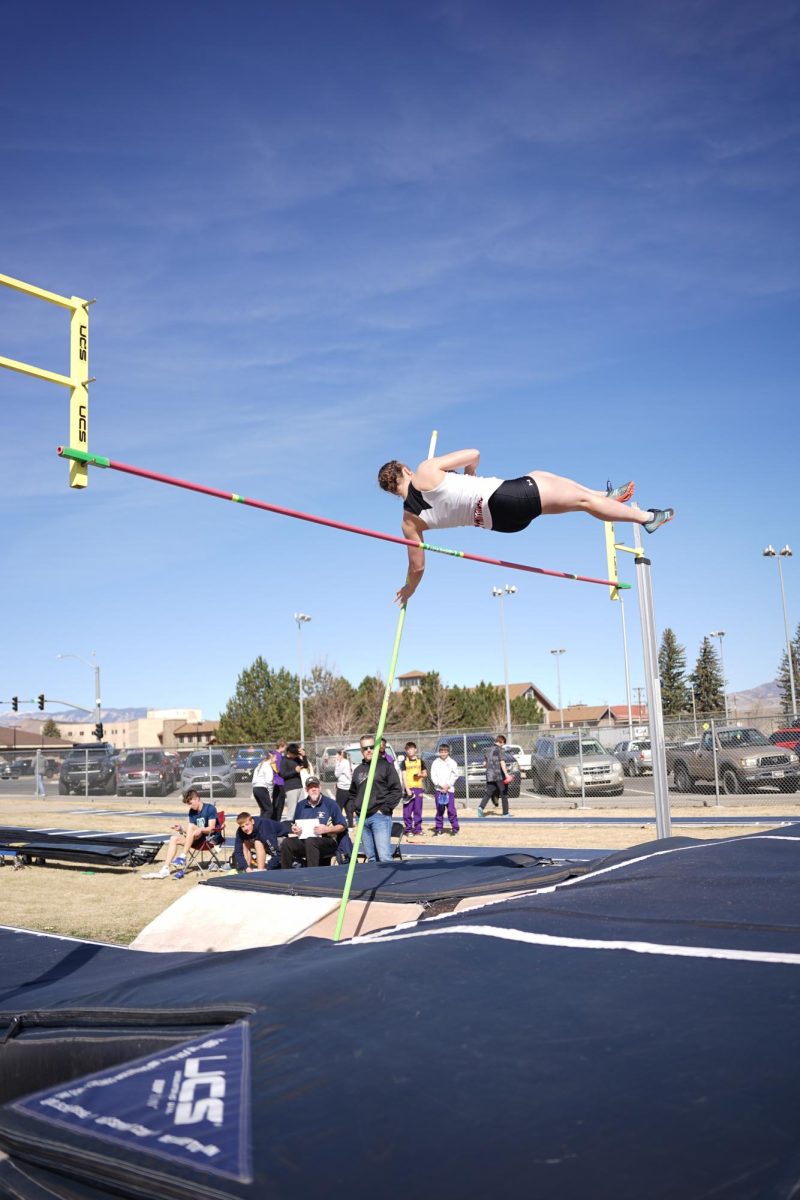




Behind the highlight reels and high GPAs, many student-athletes are quietly struggling with their mental health.
Mental Health has slowly become a less taboo topic, but what about when it comes to student-athletes? Student athletes are commonly the ones who seem to have it all together. They have good grades and are always trying to excel in their sport. Behind closed doors, student athletes struggle with mental health, and it needs to be talked about.
All athletes at PHS have a unique story about how their sport has affected them mentally. Many students have struggled as student athletes and the balance between academics and their performance.
“At first, my mental health was not easy,” senior Shelby Zickefoose said. “But over the years, I have developed a routine in order to stay on top of school and also compete to my fullest.”
Not only do athletes struggle with balancing the academic part of their sports, but they also struggle with the effects of an injury. Sport-related injuries can affect an athlete’s mental health immensely.
“It’s obviously a big change, you know, going from doing everything all year to doing nothing at all,” senior Caden Nelson said. “It had way bigger of an effect on me than I thought it would, because you literally do nothing and just kind of sit there and watch from the sidelines…And I know a lot of people take it for granted and everything, because it’s kind of like, oh, like, I won’t go through that.”
During a game at the start of his junior football season, Nelson tore his ACL, ending the rest of his sports seasons for the year. This was a hard blow after a successful track season in his sophomore year.
“I’ll just say, better times are ahead,” Nelson said. “I mean, I know at times it seems like a huge deal or issue in your life, and I mean, at the time, it seems really big, because that is your life, but there’s light at the end of the tunnel, and you know, life’s gonna go on. You just got to keep moving forward.”
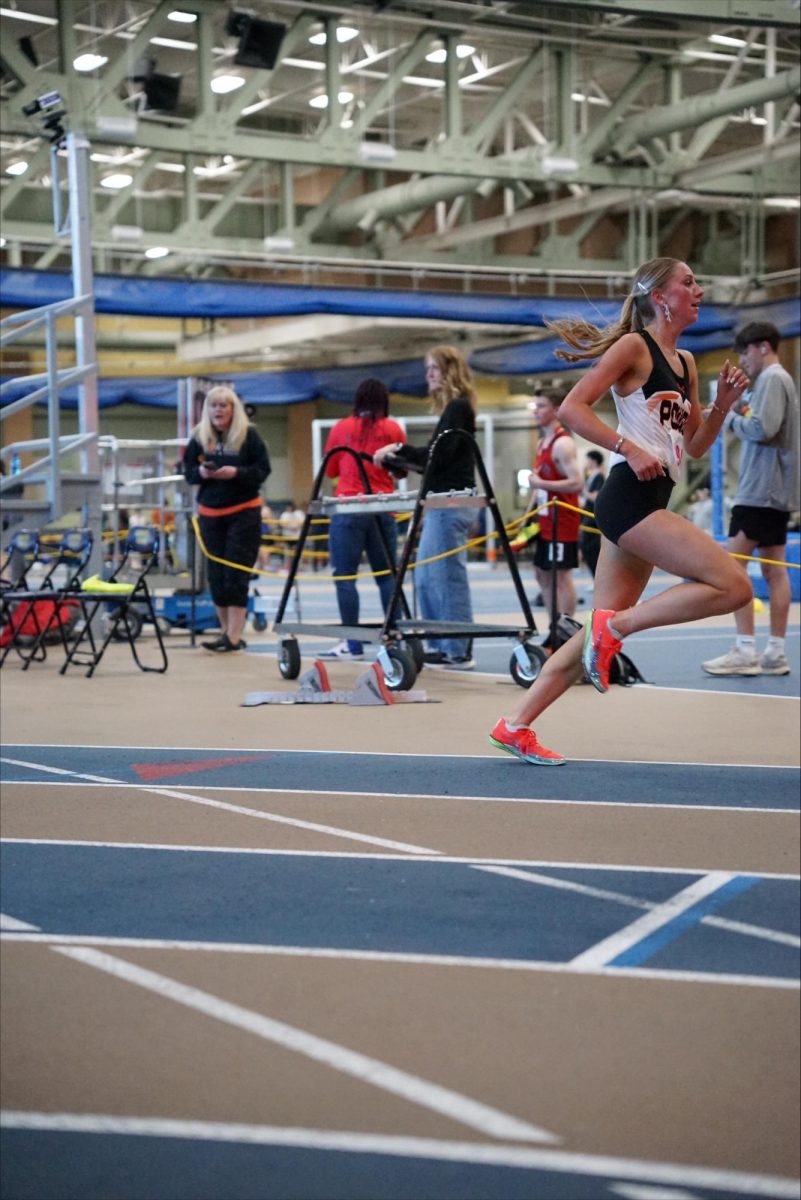
Being a top-performing athlete like junior cross country state champion Karee Cooley has more hardships than what is just seen on the surface.
“I think the most mentally challenging part in a race is before the race because you don’t know how you’re gonna do or if it’s gonna go how you want it to,” junior Karee Cooley said. “Also, the hardest would probably be right at the end because you’re tired and you wanna be done, but mentally you have to be strong, and so it’s important in running because your body can do more than you think it can, and it’s just the mental block of doing it, so just knowing that I can push myself more.”
High school athletes tend to internalize mistakes, and it affects how they view themselves. Self-worth is a major struggle for athletes of all ages.
“Participation in athletics can lend to a culture that emphasizes the need to ‘just play through it’ when injured, stressed or in pain,” NFHS said. “No pain, no gain.” Student-athletes can quickly allow their athletic accomplishments (or failures) to become their identity and source of self-worth. This emphasis on athletics can cause significant stress and challenges in their lives.”
Prioritizing mental health doesn’t always need to fall on the athlete. Coaches can do their part to make sure their athletes’ mental health is at its best so they can compete at their prime.
“As both a coach and psychologist, I make it a priority to educate athletes that a broad range of emotions is not only normal but expected—even those we often label as ‘negative,’ such as sadness, anger, frustration, grief, and anxiety,” head volleyball coach and psychologist Anna Flitner said. “My approach is to notice when these emotions last for extended periods or begin to affect behavior. If someone’s thoughts and feelings start to interfere with their ability to pursue their goals or engage in daily activities, that’s when I become concerned about their mental well-being.”
As an athlete herself, Flitner wasn’t educated on mental health in high school.
“I actually didn’t have much awareness of mental health until college, where I witnessed its impact on my own performance and that of my teammates, and studied it in my courses,” Flitner said. “I believe therapy is a valuable resource for anyone, whether or not they think they “need” it—it offers support and insight in countless ways. Additionally, being able to confide in teammates and coaches can have a positive effect. In the future, I also hope to collaborate more with parents to help them respond effectively to mental health concerns in their children.”
There are many resources available for athletes to help. The Positive Coaching Alliance offers tips to stay ahead of your mental health.
“Pay attention to your sleep and other basic needs,” the Positive Coaching Alliance said. “Manage anxiety on and off the field… Pay attention to how you talk to yourself… Look at mistakes as an opportunity to learn… Find ways to stay involved when you’re injured… Support your teammates… Do things outside of your sport… Get support when you need it.”